
Radon Removal in Naperville, IL
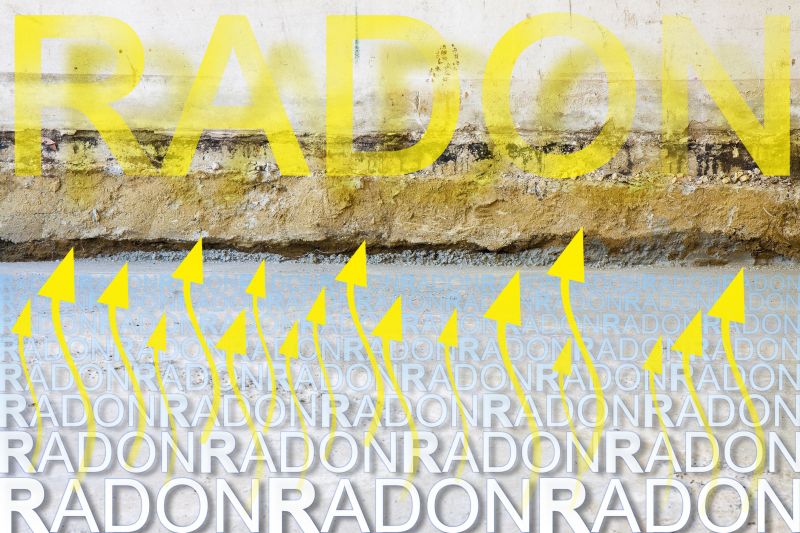
Radon removal services involve identifying and reducing elevated levels of radon gas within residential properties. This process typically includes testing to determine radon concentrations and installing specialized ventilation systems, such as sub-slab depressurization, to safely vent radon outdoors. Projects often focus on homes where radon levels exceed safety guidelines or where previous testing has indicated the presence of this odorless, colorless gas that can pose health concerns over time.
Property owners considering radon removal usually want to understand the scope of work involved, the effectiveness of mitigation systems, and any necessary preparations before installation. It’s common to inquire about ongoing maintenance or monitoring after the system is installed, as well as the importance of testing both before and after mitigation to ensure radon levels are reduced to acceptable standards. Clarifying these details helps homeowners make informed decisions about protecting their indoor air quality.
Many property owners in Naperville, IL look into Radon Removal for repairs, replacements, upgrades, and appearance-related improvements.
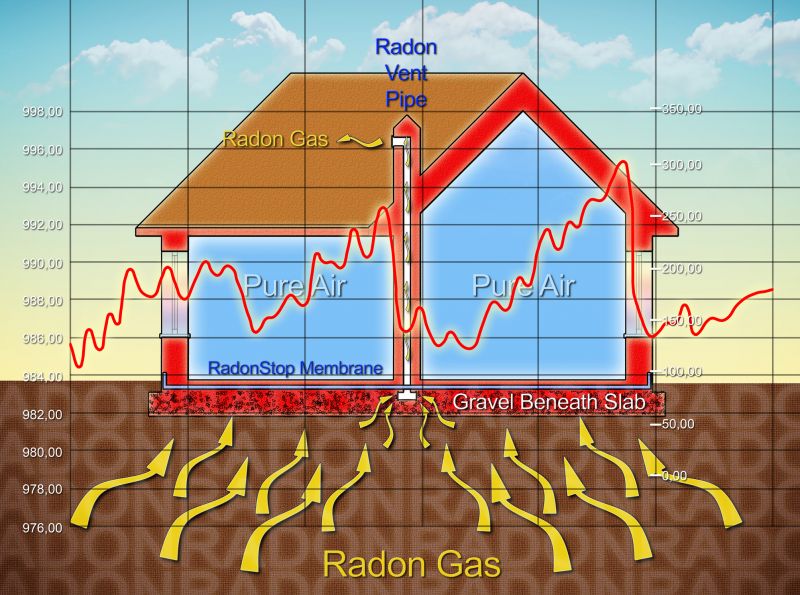
Understanding Radon Risks
Radon exposure can pose health risks for homeowners in naperville and nearby areas.
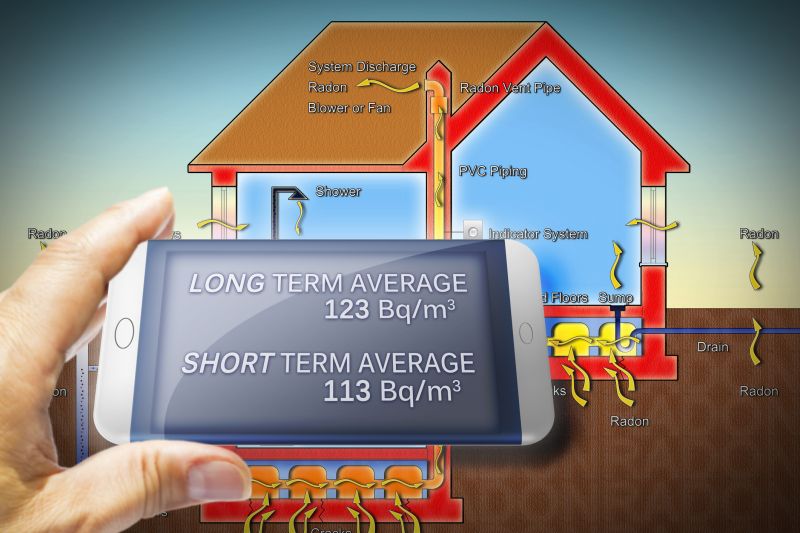
Detection And Testing
Accurate radon testing helps identify indoor levels and determine if removal is necessary.
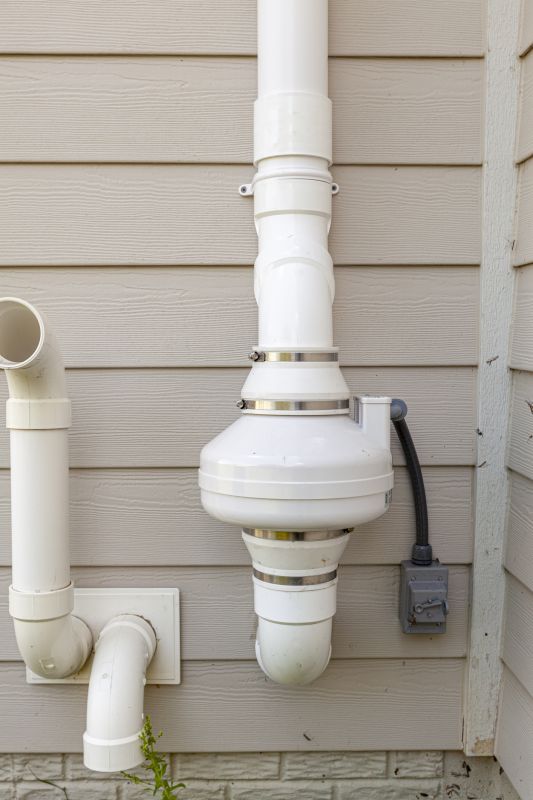
Effective Removal Solutions
Proper radon mitigation systems can reduce indoor radon levels and improve home safety.
Radon Removal in Naperville, IL

Radon removal services involve identifying and reducing elevated levels of radon gas within residential properties. This process typically includes testing to determine radon concentrations and installing specialized ventilation systems, such as sub-slab depressurization, to safely vent radon outdoors. Projects often focus on homes where radon levels exceed safety guidelines or where previous testing has indicated the presence of this odorless, colorless gas that can pose health concerns over time.
Property owners considering radon removal usually want to understand the scope of work involved, the effectiveness of mitigation systems, and any necessary preparations before installation. It’s common to inquire about ongoing maintenance or monitoring after the system is installed, as well as the importance of testing both before and after mitigation to ensure radon levels are reduced to acceptable standards. Clarifying these details helps homeowners make informed decisions about protecting their indoor air quality.
Many property owners in Naperville, IL look into Radon Removal for repairs, replacements, upgrades, and appearance-related improvements.
Common Radon Removal Jobs
Radon mitigation systems - installed to reduce radon levels in residential and commercial properties.
Basement radon removal - designed to lower radon concentrations in below-grade living spaces.
Crawl space radon treatment - implemented to prevent radon infiltration through foundation vents.
Whole-house radon reduction - measures that improve indoor air quality across entire properties.
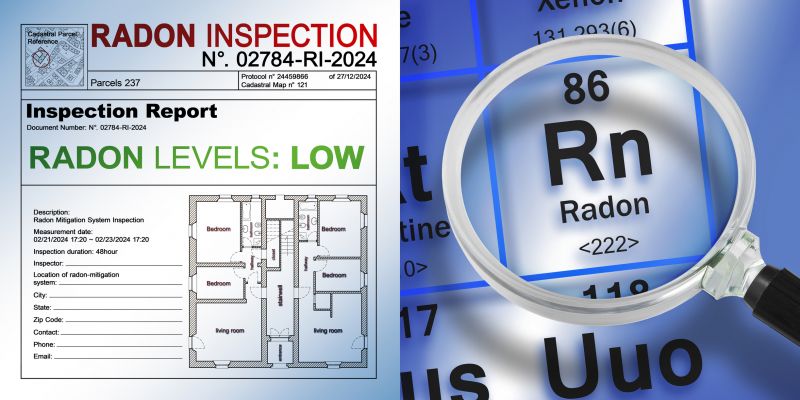
Radon testing and inspection - performed to identify radon levels and determine the need for removal services.
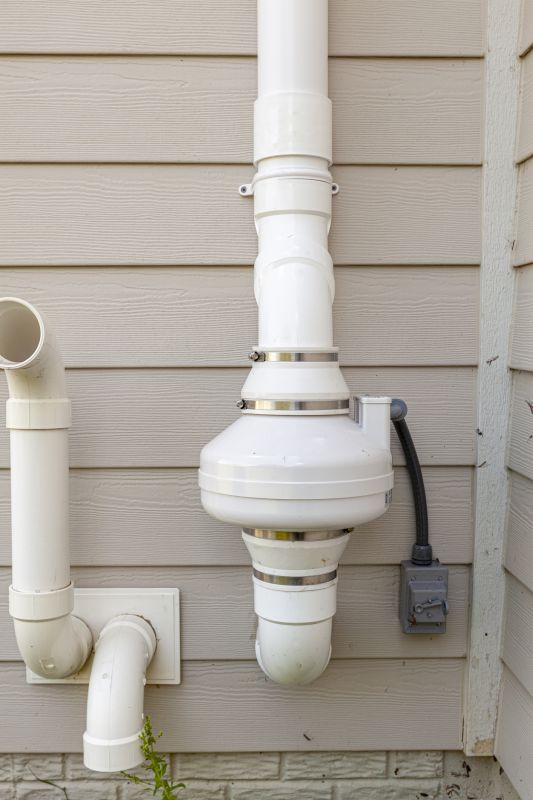
Radon vent pipe installation - used to safely vent radon gases outside away from the home.
Radon Removal Questions
What is radon and why is it a concern? Radon is a naturally occurring radioactive gas that can accumulate indoors, potentially impacting air quality and health.
How can radon levels be tested in a home? Radon levels are measured using specialized testing devices placed inside the property for a specified period.
What methods are used to remove radon from a property? Radon removal typically involves installing ventilation systems or soil depressurization to reduce indoor levels.
Is radon removal necessary for all homes? Radon removal is recommended if testing shows elevated radon levels above safety guidelines.
Request Radon Removal in Naperville, IL
Use the quote form on this page to share the basics of your project and request more information for the type of work you need.